


If you've ever stood at an Irish bar and found yourself reaching past the familiar black-and-white pint for something a little different, chances are you've encountered Beamish. Cork's finest export — and one of Ireland's most storied stouts — deserves a proper introduction. Whether you're a craft beer curious newcomer or a seasoned stout drinker looking to broaden your palate, this guide is for you.
What Is Beamish Stout?
Beamish is an Irish dry stout brewed in Cork since 1792, making it one of the oldest stout brands in the world. It pours a deep, near-opaque mahogany with a creamy tan head. On the nose, expect roasted barley, a hint of dark chocolate, and a subtle earthiness. The taste is smooth and dry — less bitter than Guinness, with a gentle roasted finish that doesn't linger too long.
Beamish vs. Guinness vs. Murphy's: What's the Difference?
The "Big Three" of Irish stout each have a distinct character:
- Guinness — The global icon. Slightly more bitter, with a pronounced roasted grain note and a longer, drier finish.
- Beamish — Smoother and slightly sweeter than Guinness, with a creamier mouthfeel and a more mellow roast character. Cork's pride.
- Murphy's — The softest of the three. Less roasty, almost milky in texture, with a gentle sweetness throughout.
| Guinness | Beamish | Murphy's | |
|---|---|---|---|
| Home city | Dublin | Cork | Cork |
| Founded | 1759 | 1792 | 1856 |
| Bitterness | Highest | Medium | Lowest |
| Body | Dry, roasty | Smooth, creamy | Soft, almost milky |
| Best for | Fans of a bold, dry finish | A creamy, mellow pint | Easy-drinking newcomers |
If Guinness is the bold statement, Beamish is the quiet confidence. It's the stout for people who know what they like.
How to Pour the Perfect Pint of Beamish
Like all nitrogenated Irish stouts, Beamish rewards patience. Here's how to do it right:
- Start with a clean, dry pint glass — ideally a tulip or straight-sided glass.
- Hold the glass at a 45° angle and pour slowly until it's about three-quarters full.
- Let it settle for at least 90 seconds. Watch the cascade — that's the nitrogen doing its work.
- Top up with a slow, straight pour until the creamy head sits just above the rim.
- Serve immediately and enjoy.
Food Pairings for Beamish
Beamish's smooth, roasty profile makes it a natural partner for hearty Irish fare. Try it alongside:
- Irish beef stew or lamb chops
- Aged cheddar or Cashel Blue cheese
- Oysters — a classic Cork pairing
- Dark chocolate desserts
Wear Your Stout Pride
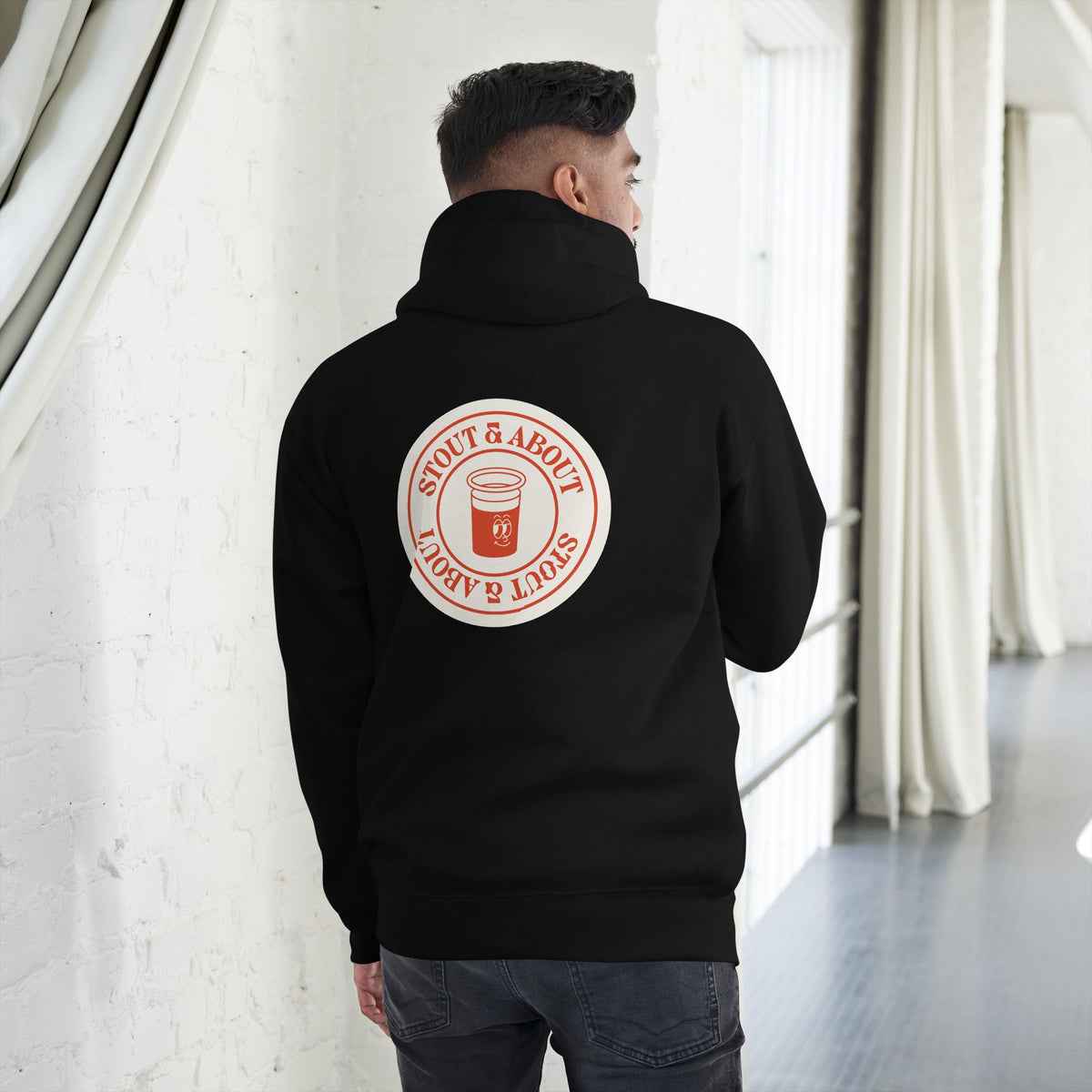
Beamish isn't just a drink — it's a culture, a Cork identity, and a way of life. If you're the kind of person who takes their stout seriously, your wardrobe should say the same. Browse our Beamy Stout Swag collection for premium Irish-made apparel that celebrates the craft, or explore the full Stout Vibes range for gear that captures the spirit of the Irish stout scene.
Fan favourites for Beamish drinkers: the Mine's a Creamy Beamy T-Shirt, the Creamy Beamy Organic Jumper and the Creamy Beamy Dad Cap.
Because the best pint deserves the best fit.
Beamish Stout FAQs
Where is Beamish brewed?
Beamish has always been a Cork stout. It was first brewed by Beamish & Crawford in 1792, and it's still brewed in Cork today. That Cork heritage is why it's often called the city's own pint, alongside Murphy's.
Is Beamish smoother than Guinness?
Yes, most drinkers find it smoother. Beamish has a creamier mouthfeel, a slightly sweeter edge and a more mellow roast, while Guinness is a touch more bitter with a longer, drier finish. Both are nitrogenated dry Irish stouts, so the texture and pour are similar.
How long should a pint of Beamish settle?
Give it at least 90 seconds after the first three-quarter pour. That lets the nitrogen cascade finish and the creamy head form before you top it up slowly to just above the rim.
What food goes best with Beamish?
Hearty, savoury dishes suit its smooth roast: Irish beef stew, lamb, aged cheddar or Cashel Blue, and oysters, the classic Cork pairing. For dessert, dark chocolate works well.
Updated October 2026